
Building change together
Our goal is to ensure every child with hip dysplasia receives the best possible care.
Clinical data only tells part of the story. To truly improve care, we also need to hear from families. By sharing your real-life experiences, you are helping us understand what happens in everyday life. Together, we can improve the journey for every family.
What you told us
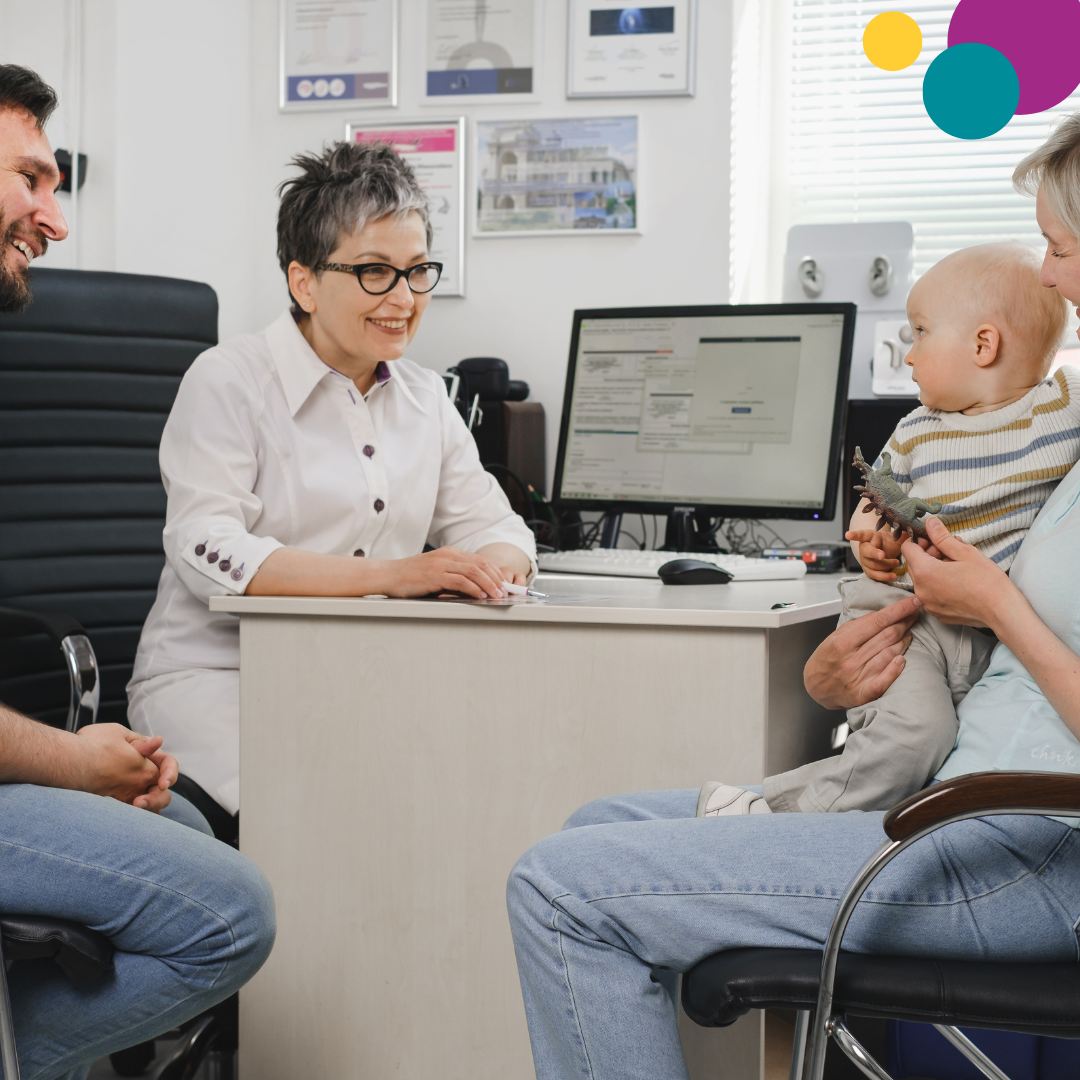
We asked you to share your experiences through surveys and feedback, and your answers have helped us understand what matters most. You told us what was working well and where things were difficult, highlighting three main areas for improvement:
- Long wait times in the clinic
- Feeling unprepared for life at home with a brace or cast
- Confusion or stress about what a diagnosis really means for your child.
Our partnership with RCH
We’ve used your feedback to make a plan for change. We are working with doctors and health professionals at The Royal Children’s Hospital (RCH) to bring these improvements to life. We will test these changes at RCH first, before suggesting them to VicHip clinics and hospitals across Victoria.
 Smoother clinic visits
We know waiting in a clinic with a restless baby can be hard. VicHip’s data helped find exactly where the delays were happening, and the RCH team is now fixing them.
- Better teamwork: We found a gap between when clinics started and when the Orthotics (brace) Team was available. To help reduce wait times, the Orthotics Team will now begin appointments at 10:30am every Wednesday.
- Smarter scheduling: RCH is now balancing the number of appointments with the availability of sonographers to keep the clinic moving smoothly.
- Coordinated care for regional and rural families: For families travelling from regional or rural areas, RCH will offer later morning slots and will try to book scans and clinic visits on the same day to save you an extra trip.
- Better telehealth: If your appointment is online, RCH is using new SMS tools to let you know when “you are next” in line — so you’ll know exactly when to log on, saving you time and stress.
 Making brace or cast treatment easier
Starting a brace or spica cast treatment can feel overwhelming. Our research showed that families need more support before the first fitting to feel better prepared.
- What to expect: We are working with RCH on a video and information sheets to send before your first visit. These will cover things like clothing, how to change a nappy and car seat tips. You will also be able to access this information in the clinic by scanning a QR code on your phone.
- Fitting checklist: When your child gets their brace, the RCH team will use a new checklist to make sure you feel confident taking the brace on and off and know exactly who to call with concerns.
- 3-Day check-in: Within three days of getting a new brace or cast, you can now have a quick video call with the Orthotics Team to ask any questions that have come up since you got home.
 Clearer communication
We want your child’s medical record to be a helpful tool and easy for you to understand.
- Simple summaries: RCH is working to give every family a clear summary of their visit in plain language. It will explain the diagnosis, what the hip measurements mean and the plan forward.
- No surprises: Clinicians are committed to discussing all results with you in person, so you aren’t left to figure out what a report means on your own later. You will also receive the same summary letter sent to your GP, so everyone has the same information.
- A clear plan: At every visit, the team will tell you exactly what the next step is — whether that is a check-up in six months or an X-ray in the years ahead.
What’s Next?
We are testing these changes at RCH to make sure they work for families. We are also monitoring wait times and parent feedback before suggesting these improvements to VicHip clinics and hospitals across Victoria.
Help us shape the future
These changes are just the beginning. We are co-designing every step of this journey with parents to make sure the changes work in real life. Your perspective is our most important tool.
If you would like to be involved, please keep sharing your thoughts through our surveys or consider joining our Consumer Advisory Group. We would love to hear from you.
Thank you for helping us make hip dysplasia care better for every child in Victoria.
 Helpful tips for families
We want to support every family, no matter which hip clinic you visit. To help you feel prepared, ask your local care team for fact sheets or guides about the topics below, or visit the RCH website for more information.
- Understanding hip dysplasia: Ask about your child’s type of hip dysplasia (DDH) and what it means for their development.
- How bracing works: Ask how the brace helps your child and how to use it safely at home.
- Safe swaddling: Ask for a demonstration on how to wrap your baby in a ‘hip-healthy’ position for sleep.
- Play and tummy time: Ask how your child can safely play and enjoy tummy time while wearing a brace or cast.
- Travel and accommodation support: If you travel long distances for specialist care, you may be able to claim some costs through government schemes (eligibility applies):
- VIC residents (VPTAS): health.vic.gov.au/vptas
- NSW residents (IPTAAS): iptaas.health.nsw.gov.au
Have questions, feedback or want to get involved?
 Please contact us
Proudly in partnership with







VicHip is funded by the Australian Government Department of Health and Aged Care under the Medical Research Future Fund grant 2015989.
Murdoch Children's Research Institute acknowledges the Traditional Custodians of lands on which we work and pay our respect to their Elders, past, present and emerging.